
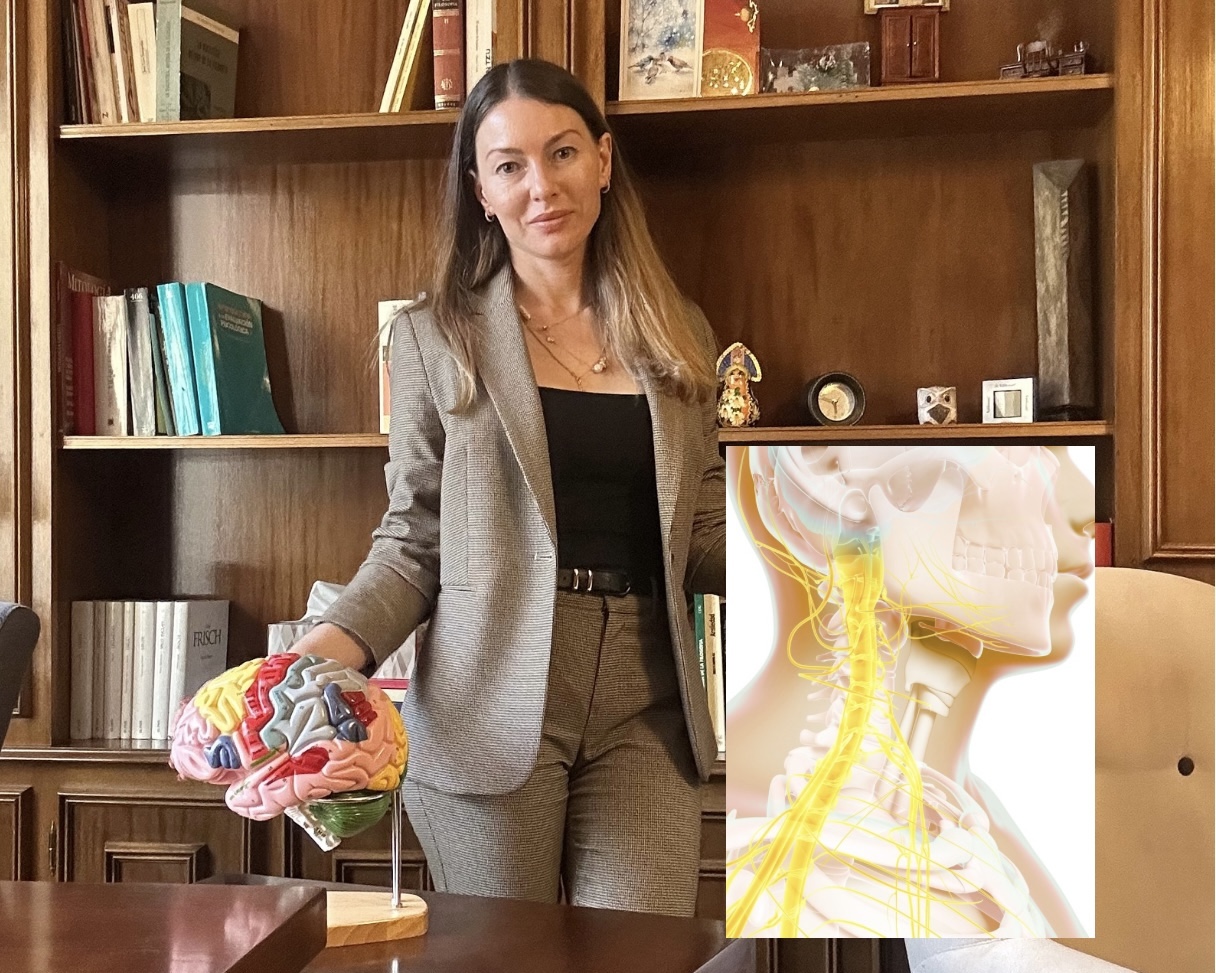
What Is the Vagus Nerve?
The vagus nerve is one of the main communication pathways between the brain and the internal organs. It helps regulate essential functions such as heart rate, breathing, digestion, swallowing, and certain processes involved in the immune response. It also plays a role in how the body detects, interprets, and responds to internal changes.
Scientifically, it is known as the tenth cranial nerve, or cranial nerve X. It is the longest and one of the most complex cranial nerves in the human body. Its name comes from the Latin word vagus, meaning “wandering,” reflecting its extensive path from the brain through the chest and into the abdomen.
Contrary to the simplified explanations often found in wellness content, the vagus nerve is not merely a “relaxation switch.” It is a complex bidirectional pathway that carries information in both directions: from the brain to the body and, predominantly, from the internal organs back to the brain.
Approximately 80% of its fibres are believed to be afferent, meaning that they carry sensory information from the body to the central nervous system. The remaining fibres are primarily efferent, transmitting instructions from the brain to different organs.
Through this continuous exchange of information, the brain receives signals about the condition of the heart, lungs, digestive system, and other internal organs, allowing it to adjust the body’s physiological responses. For this reason, the vagus nerve occupies a central place in the study of the relationship between physical health, emotional regulation, and neuropsychological functioning.
Where Is the Vagus Nerve, and Which Organs Does It Connect?
There are actually two vagus nerves: the right vagus nerve and the left vagus nerve. Both originate in the brainstem, specifically in the medulla oblongata, located in the lower part of the brain. From there, they leave the skull, descend along both sides of the neck, and continue through the chest into the abdomen.
Along this route, the vagus nerves form numerous branches involved in communication with different structures and organs, including:
- the pharynx and larynx;
- the heart;
- the lungs and airways;
- the oesophagus;
- the stomach;
- the liver and biliary tract;
- the pancreas;
- the small intestine;
- part of the large intestine.
The vagus nerve also contributes to the motor control of the throat and larynx, which is necessary for swallowing, voice production, and certain protective reflexes, such as coughing. An actual injury to the vagus nerve can therefore cause voice changes, difficulty swallowing, or other neurological signs that require medical assessment.
Within the abdomen, its fibres interact with the enteric nervous system, an extensive network of nerve cells located throughout the digestive tract. This connection allows the brain to receive information about stomach distension, the presence of nutrients, and other internal changes associated with digestion.
However, the vagus nerve does not reach every organ in the same way, nor does it independently control all their functions. It works in coordination with the brain, spinal cord, sympathetic nervous system, enteric nervous system, endocrine system, and immune system.
Main Functions of the Vagus Nerve
The vagus nerve participates in numerous automatic processes that help maintain the body’s internal balance. Its main functions include the following.
Cardiovascular Regulation
Parasympathetic activity transmitted through the vagus nerve helps regulate heart rate and the heart’s electrical conduction. This action allows the heart to adapt to different situations, particularly during rest and recovery following physiological activation.
This does not mean that the vagus nerve controls the heart on its own. Cardiovascular function depends on the interaction of multiple neural, hormonal, and metabolic mechanisms.
Respiratory Regulation
The vagus nerve carries information from the lungs and contributes to the regulation of the airways. It is also involved in protective reflexes such as coughing and in the coordination between breathing and cardiovascular activity.
Slow breathing may influence autonomic regulation. However, this relationship should not be oversimplified by claiming that a particular breathing technique automatically “activates” the vagus nerve or guarantees a therapeutic effect.
Digestion
The vagus nerve contributes to gastrointestinal motility, digestive secretions, feelings of fullness, and the transmission of information from the digestive system to the brain.
Its activity is integrated with the enteric nervous system to adapt digestion to the body’s needs. Persistent digestive symptoms, however, do not necessarily mean that the vagus nerve is “damaged.” Such symptoms may have numerous medical, psychological, and behavioural causes that require appropriate assessment.
Swallowing, Voice, and Protective Reflexes
Some vagal branches contribute to the movement of the muscles in the pharynx and larynx. This makes it possible to coordinate swallowing, produce the voice, and protect the airways from food or foreign substances.
Transmission of Internal Signals to the Brain
One of the vagus nerve’s most important functions is to inform the brain about the body’s physiological condition. This process forms part of interoception—the nervous system’s ability to perceive internal signals such as heartbeat, breathing, stomach distension, nausea, and other visceral sensations.
The brain’s interpretation of these signals can influence how we experience stress, safety, physical discomfort, and certain emotional states.
Modulation of Inflammatory Processes
The vagus nerve forms part of neuroimmune circuits involved in regulating the inflammatory response. One such mechanism, known as the cholinergic anti-inflammatory pathway, is an important area of current research.
However, it would be inaccurate to claim that “activating the vagus nerve eliminates inflammation.” Inflammation is a complex process, and the clinical effects of vagus nerve stimulation depend on the condition being treated, the type of intervention, and the individual characteristics of each person.
The Vagus Nerve and the Autonomic Nervous System
The vagus nerve is one of the main components of the parasympathetic nervous system, which is itself part of the autonomic nervous system.
The autonomic nervous system regulates processes that occur without conscious control, including heart rate, blood pressure, digestion, sweating, breathing, and physiological adaptation to stress.
Its functioning is traditionally explained through two main branches:
- The sympathetic nervous system, which mobilises resources when the body needs to act, respond to a threat, or cope with a demand.
- The parasympathetic nervous system, which supports processes related to energy conservation, digestion, rest, and recovery.
This distinction is useful for understanding autonomic function, but it does not mean that these systems are opponents or that one is “bad” and the other “good.” Sympathetic activation is necessary for concentration, physical activity, responding to danger, and coping effectively with demanding situations.
Autonomic health depends on the body’s ability to mobilise the resources it needs and subsequently return to a state of recovery. Problems may arise when the body remains highly activated for too long, responds disproportionately, or has difficulty restoring physiological balance.
The vagus nerve contributes to this physiological flexibility. Nevertheless, speaking about autonomic regulation is more accurate than claiming that someone has a “blocked,” “switched-off,” or “disconnected” vagus nerve. These expressions are common on social media, but they are not recognised medical or psychological diagnoses.
What Is the Relationship Between the Vagus Nerve, Stress, and Anxiety?
When faced with a real or perceived threat, the brain activates different systems to prepare the body for action. Heart rate may increase, breathing may become faster, muscle tension may rise, and digestion may temporarily change. This response is adaptive: it provides energy and improves the ability to react.
Once the situation has passed, the nervous system needs to gradually reduce this mobilisation and return to more stable functioning. Parasympathetic regulation, in which the vagus nerve participates, contributes to this recovery process.
In people experiencing chronic stress, the body may remain in a heightened state of alert for prolonged periods. It may also become increasingly sensitive to stimuli that were not previously perceived as threatening. This does not necessarily indicate damage to the vagus nerve. Instead, it may reflect a broader alteration in the body’s psychological and physiological regulatory mechanisms.
Anxiety also cannot be explained solely by “low vagal activity.” Multiple factors contribute to its development and maintenance, including:
- the interpretation of situations;
- learning and previous experiences;
- emotional regulation;
- patterns of avoidance;
- sleep quality;
- biological vulnerability;
- neuroendocrine functioning;
- social and relational circumstances;
- general health.
Vagus nerve stimulation alone is therefore not a complete treatment for anxiety. In certain cases, neuromodulation may form part of a broader intervention, but it should be integrated with an appropriate assessment and psychotherapeutic strategies targeting the processes that maintain the symptoms.
The Vagus Nerve, Emotions, and Mental Health
Emotions do not arise exclusively in the brain or solely in the body. They result from the interaction between our interpretation of a situation, memory, learning, social context, and the physiological changes occurring within the body.
The vagus nerve contributes to brain–body communication by carrying large amounts of information from the internal organs to the central nervous system. These signals initially reach regions of the brainstem and are subsequently integrated into brain networks associated with attention, motivation, body perception, and emotional regulation.
Changes in heart rate, breathing, or digestive activity, for example, may be interpreted as signals of calm, activation, or danger. This interpretation does not depend exclusively on the vagus nerve. Previous experiences, expectations, context, and the way each person understands their bodily sensations also play an important role.
This connection helps explain why anxiety, chronic stress, and depression may be accompanied by physical symptoms such as:
- palpitations;
- pressure or discomfort in the chest;
- shallow breathing;
- nausea;
- abdominal pain or discomfort;
- changes in bowel function;
- muscle tension;
- dizziness;
- fatigue;
- sleep difficulties.
These symptoms are real and should not be dismissed as being “all in your head.” At the same time, they should not automatically be attributed to vagus nerve dysfunction. Psychosomatic symptoms arise through complex interactions between psychological, neurophysiological, immune, endocrine, and behavioural processes.
Research into vagus nerve stimulation for depression, anxiety, post-traumatic stress, and other mental health conditions is promising. However, the strength of the evidence varies considerably across conditions and stimulation methods. Any clinical application should therefore be presented responsibly and tailored to the individual’s needs.
The Gut–Brain Axis, Digestion, and Inflammation
The gut–brain axis is a bidirectional communication system between the digestive tract and the central nervous system. It involves the vagus nerve, enteric nervous system, immune system, hormones, metabolic processes, and the microorganisms that make up the gut microbiota.
The vagus nerve is one of the main pathways through which the gut transmits information to the brain. Its sensory fibres detect signals associated with the distension of the digestive tract, the presence of nutrients, and other chemical and physiological changes.
Signals travelling from the brain can, in turn, influence intestinal motility, digestive secretions, and other gastrointestinal functions. This helps explain why stress can alter digestion and why digestive problems may affect mood, attention, and general well-being.
However, the gut–brain axis does not depend solely on the vagus nerve. The bloodstream, stress hormones, metabolites produced by the gut microbiota, and different immune pathways are also involved. Expressions such as “healing the vagus nerve through the gut” therefore oversimplify a much more complex biological system.
The relationship between the vagus nerve and inflammation is being investigated particularly through the cholinergic anti-inflammatory pathway. This neuroimmune circuit may contribute to the modulation of certain substances involved in inflammatory processes.
Researchers are currently examining whether different forms of vagus nerve stimulation may be useful as complementary interventions for certain inflammatory and gastrointestinal conditions. Although some areas have produced promising results, the available evidence does not support replacing established medical treatment for digestive, autoimmune, or inflammatory diseases with vagus nerve stimulation.
An integrative perspective is particularly important in clinical practice. When anxiety, chronic stress, and digestive symptoms occur together, medical, psychological, nutritional, behavioural, and neurophysiological factors should all be considered. Focusing on only one of these components may be insufficient if the mechanisms maintaining the problem are not properly understood.
The Vagus Nerve and Psychosomatic Symptoms
Psychosomatic symptoms are real physical manifestations whose onset, intensity, or persistence may be influenced by psychological, emotional, and physiological factors. They are not imaginary, nor do they mean that the person is inventing what they feel.
Anxiety, chronic stress, traumatic experiences, and emotional overload can affect the autonomic nervous system, endocrine system, immune response, and perception of bodily sensations. As a result, some people may experience:
- palpitations or a sensation of rapid heartbeat;
- pressure or discomfort in the chest;
- a feeling of breathlessness;
- dizziness or unsteadiness;
- nausea and abdominal discomfort;
- diarrhoea, constipation, or changes in bowel habits;
- muscle tension and persistent pain;
- headaches;
- fatigue;
- sleep problems;
- weakness or exhaustion;
- difficulty returning to a calm state after stress.
The vagus nerve is involved in bidirectional communication between the brain and the internal organs and may therefore form part of the mechanisms associated with these symptoms. However, it would be inaccurate to claim that all psychosomatic symptoms are caused by an “altered vagus nerve”.
These symptoms usually involve a complex interaction between physiological activation, attention directed towards the body, the interpretation of physical sensations, previous experiences, emotions, and certain behavioural patterns. For example, a person may notice a normal increase in heart rate, interpret it as dangerous, and unintentionally heighten their state of alert. This activation intensifies the physical sensations, creating a cycle of worry, bodily monitoring, and discomfort.
For this reason, the treatment of psychosomatic symptoms should not be limited to attempts to “activate” the vagus nerve. Possible medical causes should first be ruled out, while the person’s psychological, emotional, and autonomic functioning should also be assessed.
An integrative approach may combine evidence-based psychotherapy, education about nervous system functioning, emotional regulation, modification of unhelpful interpretations and avoidance patterns, sleep improvement, and, when clinically appropriate, non-invasive neuromodulation.
The Vagus Nerve, Digestion, and the Gut–Brain Axis
The digestive system communicates continuously with the brain. This communication partly explains why stress can cause nausea, abdominal discomfort, or changes in bowel function, and why persistent digestive problems may affect mood, energy, and concentration.
The vagus nerve is one of the main pathways through which information is transmitted within the gut–brain axis. Much of this communication travels from the digestive system towards the brain, providing information about stomach distension, the presence of nutrients, and other physiological changes.
In turn, the brain can influence gastrointestinal motility, digestive secretions, and visceral sensitivity. During periods of stress, these processes may change, leading to slower or faster digestion, changes in appetite, and increased awareness of abdominal sensations.
This relationship is particularly relevant in conditions involving altered gut–brain interaction, such as irritable bowel syndrome. In these cases, symptoms cannot necessarily be explained by visible structural damage alone. Changes in motility, visceral sensitivity, the microbiota, immune activity, stress, and the nervous system’s processing of signals from the gut may all be involved.
This does not mean that every digestive problem is psychological. Before attributing a symptom to stress or autonomic regulation, an appropriate medical assessment is important to rule out possible organic causes.
Current research is examining whether vagus nerve stimulation may help modulate certain mechanisms related to gut–brain communication and inflammation. This is a promising field, but the available evidence does not support presenting vagus nerve stimulation as a substitute for the medical, psychological, or nutritional treatment indicated for a particular digestive condition.
What Does Having “Low Vagal Tone” Really Mean?
The expression “vagal tone” is used to describe the regulatory influence of the parasympathetic nervous system—particularly on the heart—and its ability to adapt to the body’s changing demands.
Flexible autonomic functioning enables the body to increase activation when a situation requires it and subsequently return to a state of rest. Less flexible regulation may be associated with slower physiological recovery after stress.
However, “low vagal tone” is not an independent clinical diagnosis. Nor does it necessarily mean that the vagus nerve is damaged, weakened, or functioning incorrectly throughout the body.
In practice, this expression is often used in relation to certain measures of heart rate variability. These measures primarily reflect autonomic influences on the heart and cannot directly measure all vagus nerve activity across the body.
Lower heart rate variability has been observed in a variety of circumstances, including:
- chronic stress;
- sleep deprivation;
- physical inactivity;
- certain cardiovascular or metabolic conditions;
- some cases of anxiety, depression, or post-traumatic stress;
- ageing;
- the use of certain medications;
- conditions affecting the autonomic nervous system.
These associations do not demonstrate that low HRV directly causes the symptoms. Nor can anxiety, depression, inflammation, or vagal dysfunction be diagnosed from a single measurement.
Similarly, higher HRV is not always better. Values must be interpreted in relation to age, heart rate, breathing, physical fitness, time of day, posture, general health, and the possible presence of cardiac arrhythmias.
It is therefore more scientifically accurate to discuss autonomic regulation and physiological flexibility than to use “vagal tone” as a general explanation for any physical or emotional problem.
How Is Autonomic Regulation Assessed, and What Does HRV Indicate?
Heart rate variability, commonly known as HRV, describes the small variations in time between one heartbeat and the next.
A healthy heart does not function like a perfectly regular metronome. The interval between heartbeats changes continuously in response to breathing, physical activity, posture, sleep, emotions, and the interaction of different regulatory mechanisms.
HRV can be measured using an electrocardiogram or, with certain limitations, optical sensors found in some wearable devices. An electrocardiogram remains the most accurate reference method for identifying the intervals between heartbeats.
Autonomic regulation may also be assessed using:
- heart rate and blood pressure measurements;
- recordings taken during controlled breathing;
- tests involving changes in posture;
- specific clinical autonomic tests;
- assessment of sweating responses;
- evaluation of autonomic symptoms;
- analysis of physiological responses to particular tasks or stimuli.
HRV is not a single number. It includes different parameters, such as RMSSD, SDNN, and measures relating to the frequency of cardiac oscillations. Each provides different information, and its interpretation depends on the duration and conditions of the recording.
HRV can be influenced by:
- age and sex;
- breathing rate;
- body position;
- time of day;
- recent physical exercise;
- caffeine, alcohol, or nicotine consumption;
- hydration;
- fever or acute illness;
- stress and emotional state;
- sleep quality;
- certain medications;
- cardiac arrhythmias.
A single measurement obtained from a watch or mobile application should therefore not be used for self-diagnosis. To evaluate changes, it is more useful to examine trends recorded under comparable conditions and relate them to the person’s clinical, psychological, and physiological information.
HRV may serve as a complementary indicator of cardiac autonomic regulation, but it does not directly measure the condition of the entire vagus nerve or independently identify the cause of a person’s symptoms.
How to Support Parasympathetic Regulation Naturally
There is no exercise capable of instantly “resetting” the vagus nerve. However, certain habits and interventions may support more flexible autonomic regulation and improve the body’s capacity to recover after stress.
Slow, Controlled Breathing
Slow, comfortable diaphragmatic breathing can influence cardiac regulation and temporarily increase certain HRV measures. The most appropriate breathing rate may differ between individuals, so there is no single technique that works equally well for everyone.
Prolonged breath-holding or excessively deep breathing is not necessary. In people with anxiety, a tendency towards hyperventilation, or heightened sensitivity to bodily sensations, overly intensive breathing exercises may cause dizziness or increase discomfort.
Regular Physical Activity
Aerobic exercise and movement adapted to the person’s physical condition can improve cardiovascular health, sleep, and the capacity to regulate stress responses. Consistency is generally more important than extreme intensity.
Sufficient and Consistent Sleep
Insufficient sleep and highly irregular schedules can affect autonomic regulation and increase emotional reactivity. Improving sleep duration and quality is therefore a fundamental part of supporting nervous system regulation.
Emotional Regulation and Psychotherapy
Autonomic regulation does not depend solely on body-based techniques. How a person interprets situations, manages emotions, and responds to physical sensations can either maintain or reduce physiological activation.
Psychotherapy can help identify the mechanisms that perpetuate anxiety, chronic stress, and psychosomatic symptoms, allowing the person to develop more flexible and adaptive responses.
Mindfulness and Attention-Based Practices
Mindfulness and other attention-based practices may reduce automatic reactivity and improve the ability to observe bodily sensations without immediately interpreting them as dangerous.
Their effects depend on the practice, context, and individual characteristics. In people with trauma or high levels of internal activation, certain techniques should be introduced gradually and adapted appropriately.
Safe Relationships and Social Support
A sense of safety is not created solely through internal processes. Stable relationships, social support, and interactions in which a person feels respected can help reduce perceived threat and support physiological recovery.
Reducing Persistent Exposure to Stimulants and Dysregulating Habits
Excessive caffeine, alcohol, nicotine, inadequate rest, and constant overstimulation can interfere with nervous system regulation. The effects of each factor should be assessed individually.
Cold showers, intensive neck massages, so-called “vagal oils”, and various exercises promoted on social media do not all have the same level of scientific support. Some may produce a subjective sense of relief, but they should not be presented as treatments capable of repairing or specifically stimulating the vagus nerve.
What Is Vagus Nerve Stimulation?
Vagus nerve stimulation, or VNS, is a form of neuromodulation. It involves applying controlled electrical impulses to certain vagal fibres or branches with the aim of modifying the activity of neural circuits involved in brain and bodily functions.
The signals generated by stimulation travel towards the brainstem and may influence brain networks involved in autonomic regulation, mood, attention, pain perception, and neuroplasticity.
Vagus nerve stimulation does not work simply by “relaxing” the body. Its effects depend on numerous factors:
- the area being stimulated;
- the intensity and frequency of the impulses;
- the duration of each session;
- the type of device;
- the condition being treated;
- the person’s clinical characteristics;
- its combination with other treatments.
Not all devices that generate electrical impulses therefore produce the same effect or can be considered equivalent to a medical vagus nerve stimulation device.
Differences Between Implantable and Transcutaneous Stimulation
Implantable Vagus Nerve Stimulation
Implantable stimulation requires surgery. A pulse generator is usually placed beneath the skin of the chest and connected by an electrode to the cervical vagus nerve, generally on the left side.
This form of stimulation is used in specialised medical settings. It has established indications for certain cases of treatment-resistant epilepsy and treatment-resistant depression. An implantable system paired with rehabilitation is also available to improve upper-limb function in selected patients following an ischaemic stroke.
Possible adverse effects include voice changes, coughing, throat discomfort, difficulty swallowing, and unpleasant sensations during stimulation. Because the procedure requires surgery, the risks associated with implantation must also be considered.
Transcutaneous Vagus Nerve Stimulation
Transcutaneous stimulation does not require surgery. Electrical impulses are delivered through the skin over accessible areas associated with vagal branches, primarily:
- at the ear, using transcutaneous auricular vagus nerve stimulation, or taVNS;
- at the neck, using transcutaneous cervical vagus nerve stimulation, or nVNS.
This method avoids the risks associated with surgery and is generally well tolerated. The most frequently reported adverse effects tend to be mild and temporary, including skin irritation, tingling, local discomfort, headache, or dizziness.
Nevertheless, “non-invasive” does not mean that the method can be used without appropriate guidance or that it is suitable for everyone. Medical history, device type, electrode placement, stimulation parameters, and possible contraindications must all be considered.
Transcutaneous stimulation should not automatically be considered equivalent to implantable stimulation. The way the electrical current reaches the nerve fibres, the intensity, treatment protocols, and level of supporting evidence differ between the two approaches.
Regulatory status and authorised indications may also vary according to the specific device and country. The fact that a device is marketed as a vagus nerve stimulator does not, by itself, demonstrate its effectiveness in treating anxiety, depression, insomnia, or any other health condition.
Which Conditions Is Vagus Nerve Stimulation Currently Being Investigated For?
The strength of the evidence depends on both the condition being studied and the type of stimulation used. It is important to distinguish between treatments with recognised clinical indications and experimental applications that remain under investigation.
Treatment-Resistant Epilepsy
Implantable vagus nerve stimulation is used as an adjunctive treatment for selected patients whose epilepsy does not respond adequately to medication. It does not usually eliminate seizures completely, but it may reduce their frequency or intensity in some cases.
Treatment-Resistant Depression
Implantable stimulation has recognised indications for selected patients with chronic or treatment-resistant depression. Its effects may develop gradually, and it is not considered an immediate-acting treatment.
Transcutaneous stimulation is also being investigated for depression, although there is still considerable variation between study protocols, methods, and results.
Stroke Recovery
Implantable stimulation paired with rehabilitation is used in specific clinical contexts to support the recovery of upper-limb motor function following an ischaemic stroke.
The potential of transcutaneous approaches to influence neuroplasticity, motor function, swallowing, and other aspects of neurological recovery is also being investigated.
Anxiety and Post-Traumatic Stress
Vagus nerve stimulation is being studied as a possible complementary intervention to reduce physiological hyperarousal and support certain therapeutic processes. Initial findings are promising, but the available evidence does not yet support considering it an independent or universal treatment for anxiety or post-traumatic stress.
Insomnia and Sleep Disturbances
Several studies are examining transcutaneous auricular stimulation as a potential way to improve sleep quality. Although some meta-analyses have reported favourable findings, further research is required to clarify the most effective protocols, the duration of benefits, and which individuals are most likely to respond.
Migraine and Cluster Headache
Some non-invasive cervical vagus nerve stimulation devices have received authorisation for specific indications relating to migraine or cluster headache in certain countries. Such authorisation applies to particular devices and protocols and cannot be generalised to every electrical stimulation device.
Chronic Pain and Fibromyalgia
Vagus nerve stimulation is being investigated for different chronic pain conditions, including fibromyalgia. At present, studies vary considerably in their methodology, stimulation parameters, and findings.
Digestive and Inflammatory Conditions
Vagus nerve stimulation is being studied in irritable bowel syndrome, inflammatory bowel disease, and other conditions involving altered gut–brain interaction. Researchers are examining whether it may influence visceral sensitivity, autonomic regulation, and certain inflammatory mechanisms.
These applications remain under investigation and do not replace established medical treatment.
Dysautonomia and Long COVID
Its potential use is also being explored in conditions involving autonomic disturbances, fatigue, and symptoms persisting after certain infections, including long COVID. The evidence remains preliminary and does not currently support general recommendations.
Neurodegenerative Conditions and Cognitive Functioning
Some research is examining possible effects on attention, memory, neuroplasticity, and symptoms associated with conditions such as Parkinson’s or Alzheimer’s disease. These applications remain experimental.
Overall, vagus nerve stimulation represents one of the most interesting areas of contemporary neuromodulation. Its therapeutic potential, however, should not be confused with established effectiveness across every condition currently being studied.
Responsible use requires consideration of the level of evidence for each indication, appropriate equipment, realistic therapeutic goals, and individualised monitoring. When used in mental healthcare, it may be integrated with psychotherapy and other evidence-based interventions, but it does not replace clinical assessment or comprehensive treatment.
Safety, Contraindications, and the Need for Professional Assessment
Transcutaneous vagus nerve stimulation is generally considered well tolerated when an appropriate device and correctly established stimulation parameters are used. Reported adverse effects are usually mild and temporary and may include:
- tingling or discomfort at the stimulation site;
- redness or skin irritation;
- headache;
- dizziness;
- a sensation of local pressure;
- mild nausea;
- temporary fatigue.
However, the fact that a technique is non-invasive does not mean that it is entirely free from risks or appropriate for everyone. Before beginning vagus nerve stimulation, the person’s health, symptoms, medical history, current treatments, and the type of device being considered should be assessed.
Specific contraindications and precautions depend on the device and stimulation method. It may be necessary to avoid the intervention or obtain prior medical approval in circumstances such as:
- the presence of a pacemaker, defibrillator, cochlear implant, or another implanted electronic device;
- a history of cervical vagotomy;
- significant bradycardia;
- arrhythmias or other relevant cardiovascular conditions;
- recurrent fainting or syncope;
- pregnancy, due to insufficient evidence regarding safety;
- recent surgery or significant anatomical changes in the stimulation area;
- wounds, dermatitis, infection, or active skin irritation where the electrodes would be placed;
- the simultaneous use of other electrical stimulation systems;
- neurological or medical conditions requiring specialist supervision.
Epilepsy is not, in itself, a general contraindication, as certain implantable forms of vagus nerve stimulation are used specifically in selected cases of treatment-resistant epilepsy. Nevertheless, a person with epilepsy should not begin transcutaneous stimulation independently. The stimulation method and its compatibility with existing treatment should be assessed by the relevant specialist.
Stimulation should be discontinued and professional advice sought if chest pain, fainting, breathing difficulties, persistent palpitations, new neurological symptoms, severe pain, or a significant skin reaction occur.
Stimulation should not be applied indiscriminately to any area of the neck or ear. The anatomy of the ear is complex, and not all its regions are innervated by vagal branches. Incorrect electrode placement may stimulate other nerves and produce an effect different from the one intended.
Safety therefore depends on more than the device itself. It also requires:
- appropriate patient selection;
- realistic therapeutic objectives;
- selection of the appropriate stimulation method;
- gradual adjustment of the parameters;
- monitoring of tolerability;
- regular assessment of progress;
- integration of the intervention into a comprehensive treatment plan.
Home-use devices should not be used simply because they are marketed as tools for “activating the vagus nerve”. Their intended purpose, regulatory status, instructions, contraindications, and supporting evidence should be examined. A product’s commercial name does not, by itself, demonstrate that it specifically stimulates the vagus nerve or is effective in treating a particular health condition.
Non-Invasive Neuromodulation and Psychotherapy
Non-invasive neuromodulation uses controlled electrical or magnetic stimulation to influence nervous system activity without surgery. This field includes different methods targeting distinct neurophysiological mechanisms.
Transcutaneous vagus nerve stimulation primarily targets pathways involved in autonomic regulation and communication between the body and the brain. By contrast, techniques such as transcranial direct current stimulation, or tDCS, apply low-intensity electrical currents through the scalp to modulate the excitability of specific brain networks.
Although both methods belong to the field of non-invasive neuromodulation, they are not equivalent and should not be applied using the same protocol. The choice depends on the symptoms, clinical objectives, medical history, and the mechanism being targeted.
In my psychology and non-invasive neuromodulation practice in Madrid, I integrate these techniques with evidence-based psychotherapy. The aim is not merely to produce a temporary reduction in physiological activation but to work simultaneously with the psychological and behavioural processes that cause or maintain the problem.
For example, a person with chronic anxiety may experience a combination of:
- a persistent state of physiological alert;
- catastrophic interpretations;
- hypervigilance towards bodily sensations;
- avoiding certain situations;
- difficulties with emotional regulation;
- sleep problems;
- traumatic experiences or accumulated stress;
- habits that maintain physiological activation.
Neuromodulation may support certain processes related to physiological regulation and neuroplasticity, while psychotherapy makes it possible to identify and modify the cognitive, emotional, behavioural, and relational patterns that maintain the symptoms.
This combination may be particularly relevant when psychological distress and physical symptoms are closely interconnected, as may occur in some cases of:
- anxiety and chronic stress;
- insomnia;
- depression;
- psychosomatic symptoms;
- persistent pain;
- fatigue;
- physiological hyperarousal;
- adjustment difficulties;
- emotional regulation difficulties.
Responses to treatment vary between individuals. Neuromodulation cannot guarantee a particular outcome and does not replace psychotherapy, medical treatment, or medication when these are indicated. Its role should be established through clinical assessment and an individualised treatment plan.
Professional monitoring is also essential. Throughout the process, tolerability, symptom progression, sleep, physiological activation, daily functioning, and progress towards therapeutic objectives should be assessed. If the intervention is not producing a clinically meaningful benefit, the protocol should be reviewed rather than continued automatically.
When Should You Consult a Professional?
Professional assessment is advisable when stress, anxiety, or physical symptoms begin to interfere with sleep, work, relationships, concentration, or quality of life.
It may also be helpful to consult a professional when experiencing:
- a persistent feeling of being on alert;
- difficulty relaxing even in safe situations;
- palpitations or changes in breathing associated with anxiety;
- persistent sleep problems;
- digestive symptoms that worsen during stress;
- prolonged fatigue;
- recurrent pain without a sufficient explanation;
- heightened sensitivity to bodily sensations;
- panic attacks;
- difficulty recovering after a stressful event;
- recurrent psychosomatic symptoms;
- an interest in using a neuromodulation device.
A professional assessment should not begin with the assumption that every symptom is caused by the vagus nerve. The first objective is to understand what is happening and determine which medical, psychological, physiological, and behavioural factors may be contributing.
Some symptoms require immediate medical attention and should not automatically be attributed to anxiety or autonomic dysregulation. Urgent medical care should be sought in the event of severe or sudden chest pain, loss of consciousness, significant breathing difficulty, sudden weakness affecting one side of the body, speech disturbances, acute confusion, or any other sudden neurological symptom.
When there is no emergency, an integrative assessment can help determine whether the person may benefit from psychotherapy, emotional regulation training, sleep-focused intervention, non-invasive neuromodulation, medical assessment, or a combination of different approaches.
Frequently Asked Questions About the Vagus Nerve
What is the vagus nerve, and what does it do?
The vagus nerve is the tenth cranial nerve and one of the main communication pathways between the brain and the internal organs. It contributes to the regulation of heart rate, breathing, digestion, swallowing, and certain neuroimmune processes.
What are the symptoms of an altered vagus nerve?
There is no specific list of symptoms that can diagnose an “altered vagus nerve”. Actual neurological damage may cause voice changes, difficulty swallowing, or other clinical signs. Anxiety, palpitations, digestive discomfort, and fatigue can have many different causes and do not, by themselves, demonstrate vagal dysfunction.
How can I tell whether I have low vagal tone?
“Low vagal tone” is not an independent diagnosis. Certain HRV measures provide indirect information about parasympathetic regulation of the heart, but they do not measure all vagus nerve activity. Results must be interpreted within the person’s clinical and physiological context.
Does HRV directly measure vagus nerve functioning?
No. HRV reflects variations in the intervals between heartbeats and provides information about cardiac autonomic regulation. It does not directly measure overall vagus nerve activity or show how the nerve is functioning across all organs.
How can the vagus nerve be stimulated naturally?
Slow breathing, regular physical activity, sufficient sleep, emotional regulation, and reducing chronic stress may support more flexible autonomic functioning. However, no single exercise can instantly “reset” or repair the vagus nerve.
Is the vagus nerve related to anxiety?
Yes. The vagus nerve participates in physiological recovery after stress. Anxiety, however, is not caused solely by reduced vagal activity. Psychological, biological, social, behavioural, and neurophysiological factors all contribute.
Can vagus nerve stimulation treat anxiety?
Vagus nerve stimulation is being investigated as a complementary intervention for anxiety and other mental health difficulties. It may form part of an integrative treatment in selected cases, but it does not replace professional assessment or evidence-based psychotherapy.
Is transcutaneous vagus nerve stimulation safe?
Available studies generally indicate that it is well tolerated, with adverse effects usually being mild and temporary. However, safety depends on the device, stimulation parameters, medical history, and appropriate patient selection. It is not suitable for everyone.
What is the difference between implantable and transcutaneous vagus nerve stimulation?
Implantable stimulation requires surgery and is used in specialised medical settings. Transcutaneous stimulation delivers impulses through the skin, usually at the ear or neck, without surgery. The methods differ significantly in intensity, mechanisms, risks, and indications.
Does neuromodulation replace psychotherapy or medication?
No. Neuromodulation may be used as a complementary intervention. It does not replace psychotherapy or medical and pharmacological treatment when these are indicated. Its role should be determined individually.
How long does it take to notice the effects of vagus nerve stimulation?
There is no universal timeframe. The response depends on the condition, stimulation method, parameters, frequency of use, and individual characteristics. Some physiological changes may occur during or shortly after a session, while clinically meaningful improvement requires continued assessment.
Where can I receive a non-invasive neuromodulation assessment in Madrid?
At my practice in Madrid, I conduct an individual assessment before recommending any non-invasive neuromodulation protocol. Consultations are available in English, Spanish, Russian, and Ukrainian, allowing each person to describe their symptoms and undertake therapy in the language in which they feel most comfortable and understood.
Scientific References
- Austelle, C. W., et al. (2024). Vagus nerve stimulation: Recent advances and future directions. Bioelectronic Medicine.
- Bonaz, B., Bazin, T. y Pellissier, S. (2016). The vagus nerve at the interface of the microbiota–gut–brain axis. Frontiers in Neuroscience, 10, 49. https://doi.org/10.3389/fnins.2016.00049
- Breit, S., Kupferberg, A., Rogler, G. y Hasler, G. (2018). Vagus nerve as modulator of the brain–gut axis in psychiatric and inflammatory disorders. Frontiers in Psychiatry, 9, 44. https://doi.org/10.3389/fpsyt.2018.00044
- Cao, Y., Li, R. y Bai, L. (2024). Vagal sensory pathway for the gut–brain communication. Seminars in Cell & Developmental Biology, 156, 228–243. https://doi.org/10.1016/j.semcdb.2023.07.009
- Damoun, N., et al. (2024). Heart rate variability measurement and influencing factors: Towards the establishment of standardised norms. Biomedical Engineering Online.
- Farmer, A. D., et al. (2021). International consensus based review and recommendations for minimum reporting standards in research on transcutaneous vagus nerve stimulation. Frontiers in Human Neuroscience, 14, 568051. https://doi.org/10.3389/fnhum.2020.568051
- Gullett, N., Zajkowska, Z., Walsh, A., Harper, R. y Mondelli, V. (2023). Heart rate variability as a way to understand associations between the autonomic nervous system and affective states: A critical review of the literature. International Journal of Psychophysiology, 189, 35–42.
- Kim, A. Y., et al. (2022). Safety of transcutaneous auricular vagus nerve stimulation: A systematic review and meta-analysis. Scientific Reports, 12, 22055. https://doi.org/10.1038/s41598-022-25864-1
- Laborde, S., Mosley, E. y Thayer, J. F. (2017). Heart rate variability and cardiac vagal tone in psychophysiological research: Recommendations for experiment planning, data analysis and data reporting. Frontiers in Psychology, 8, 213. https://doi.org/10.3389/fpsyg.2017.00213
- Laborde, S., et al. (2022). Effects of voluntary slow breathing on heart rate and heart rate variability: A systematic review and meta-analysis. Neuroscience & Biobehavioral Reviews, 138, 104711. https://doi.org/10.1016/j.neubiorev.2022.104711
- Oliveira, H. M., et al. (2025). Transcutaneous auricular vagus nerve stimulation in insomnia: A systematic review and meta-analysis. Neuromodulation, 28(8), 1332–1340. https://doi.org/10.1016/j.neurom.2025.04.001
- Redgrave, J., Day, D., Leung, H., Laud, P. J., Ali, A., Lindert, R. y Majid, A. (2018). Safety and tolerability of transcutaneous vagus nerve stimulation in humans: A systematic review. Brain Stimulation, 11(6), 1225–1238.
- Tan, C., et al. (2023). The efficacy and safety of transcutaneous auricular vagus nerve stimulation in the treatment of depression: A systematic review and meta-analysis. Journal of Affective Disorders.
- U.S. Food and Drug Administration. (2017). Summary of Safety and Effectiveness Data: VNS Therapy System, PMA P970003/S207.
About Me and Booking a Consultation
Tatiana Zabolotnya
I am a license psychologist, psychotherapist, and specialist in non-invasive neuromodulation. At my practice in Madrid, I use an integrative approach combining evidence-based psychotherapy, neuroscience, and modern non-invasive neuromodulation techniques.
I work particularly with anxiety, chronic stress, insomnia, depression, psychosomatic symptoms, emotional regulation difficulties, and adjustment challenges.
When clinically appropriate, I incorporate transcutaneous vagus nerve stimulation and non-invasive transcranial stimulation into an individualised treatment plan. The intervention does not focus solely on reducing symptoms. It aims to understand and address the psychological, physiological, and behavioural mechanisms that maintain them.
I offer in-person psychology and non-invasive neuromodulation consultations in Madrid, Spain, as well as online sessions. Consultations are available in English, Spanish, Russian, and Ukrainian, allowing each person to describe their experiences and undertake therapy in the language in which they feel most comfortable and understood.
If you are experiencing persistent anxiety, chronic stress, sleep problems, psychosomatic symptoms, or difficulty recovering after a prolonged period of emotional and physiological overload, you can request an initial consultation.
During this consultation, we will assess your situation, symptoms, and therapeutic objectives to determine which type of intervention may be most appropriate and whether non-invasive neuromodulation could form part of your treatment.
Book an in-person or online consultation with a psychologist and non-invasive neuromodulation specialist in Madrid. Sessions are available in English, Spanish, Russian, and Ukrainian.